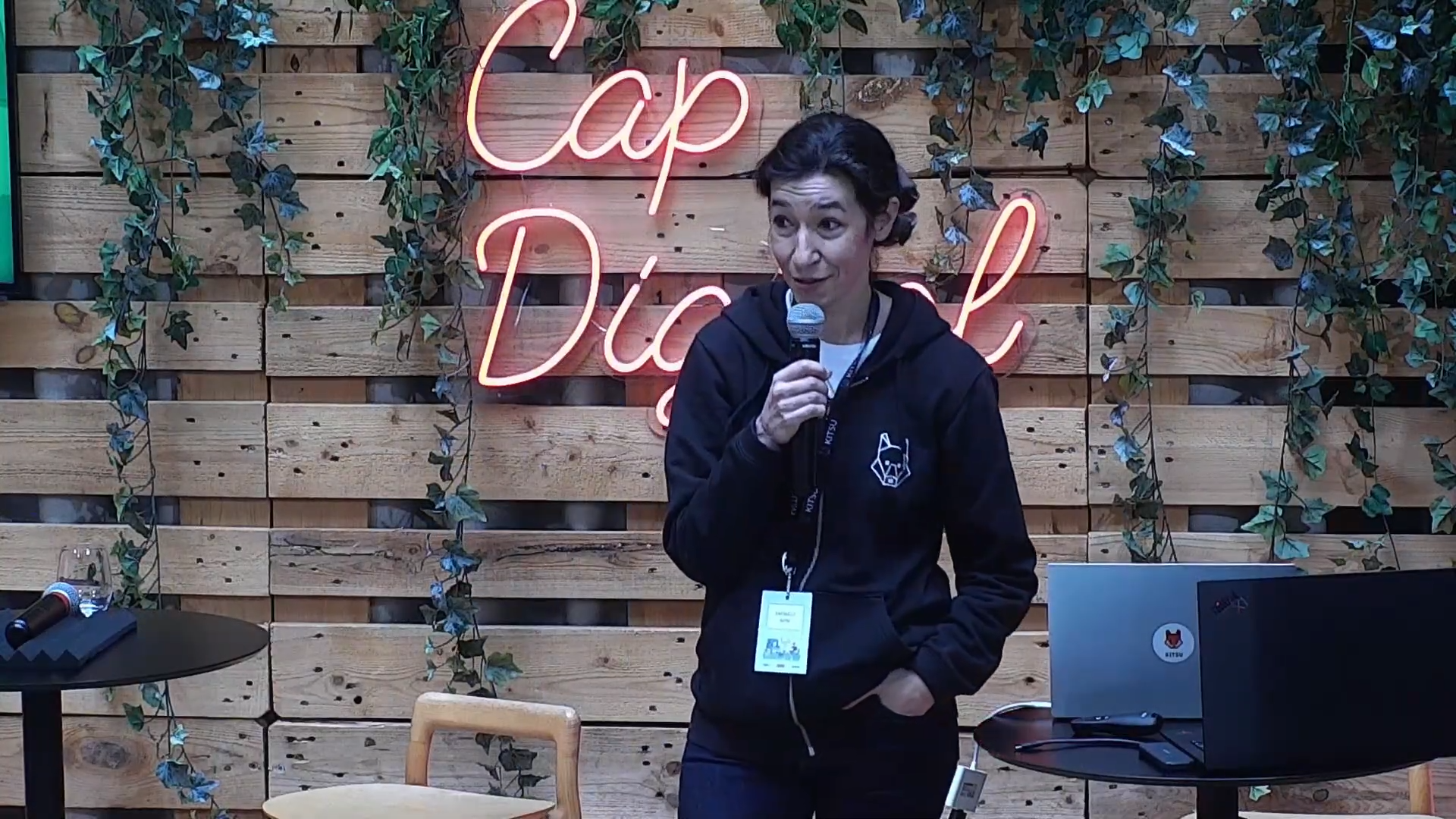
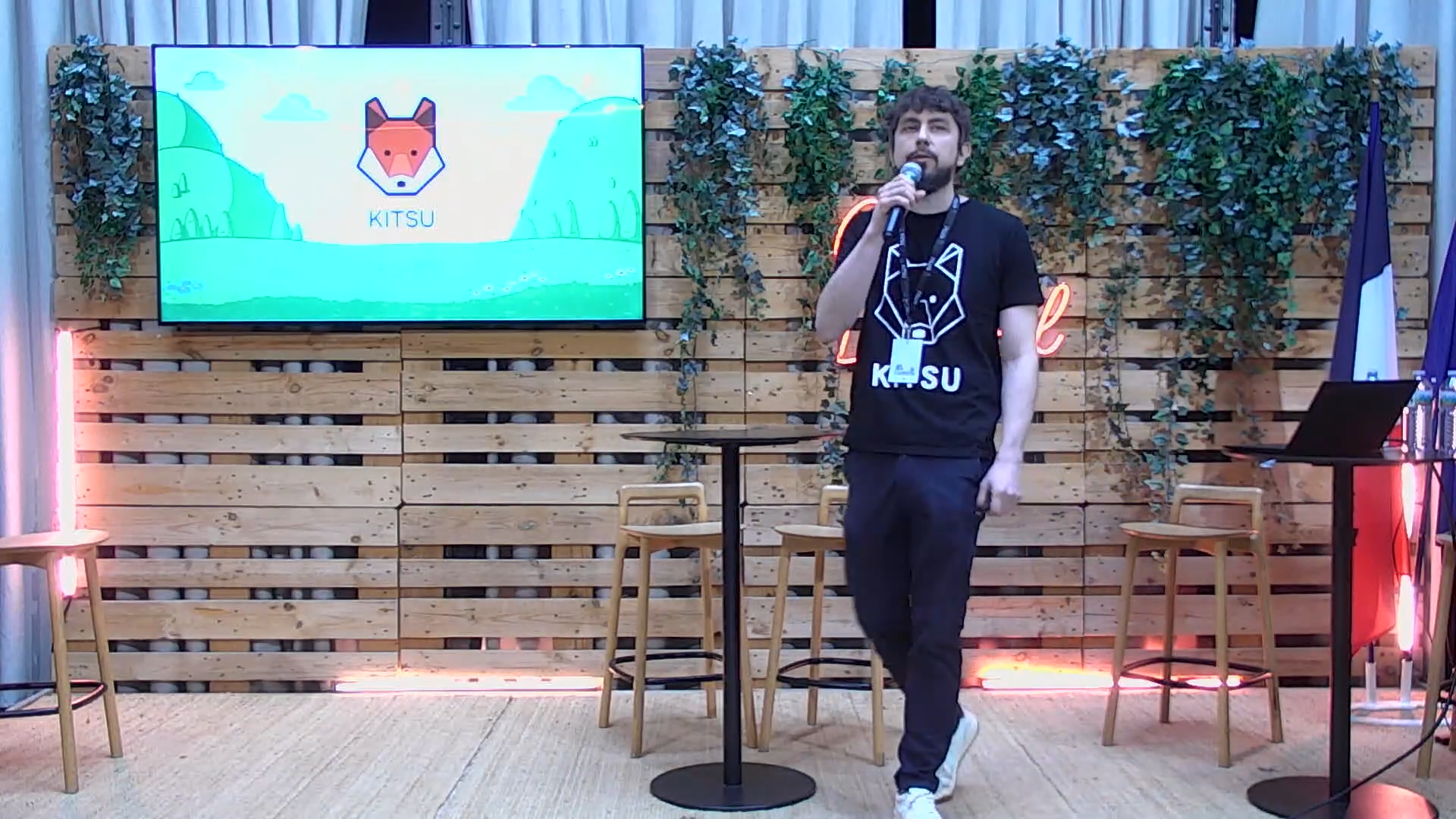
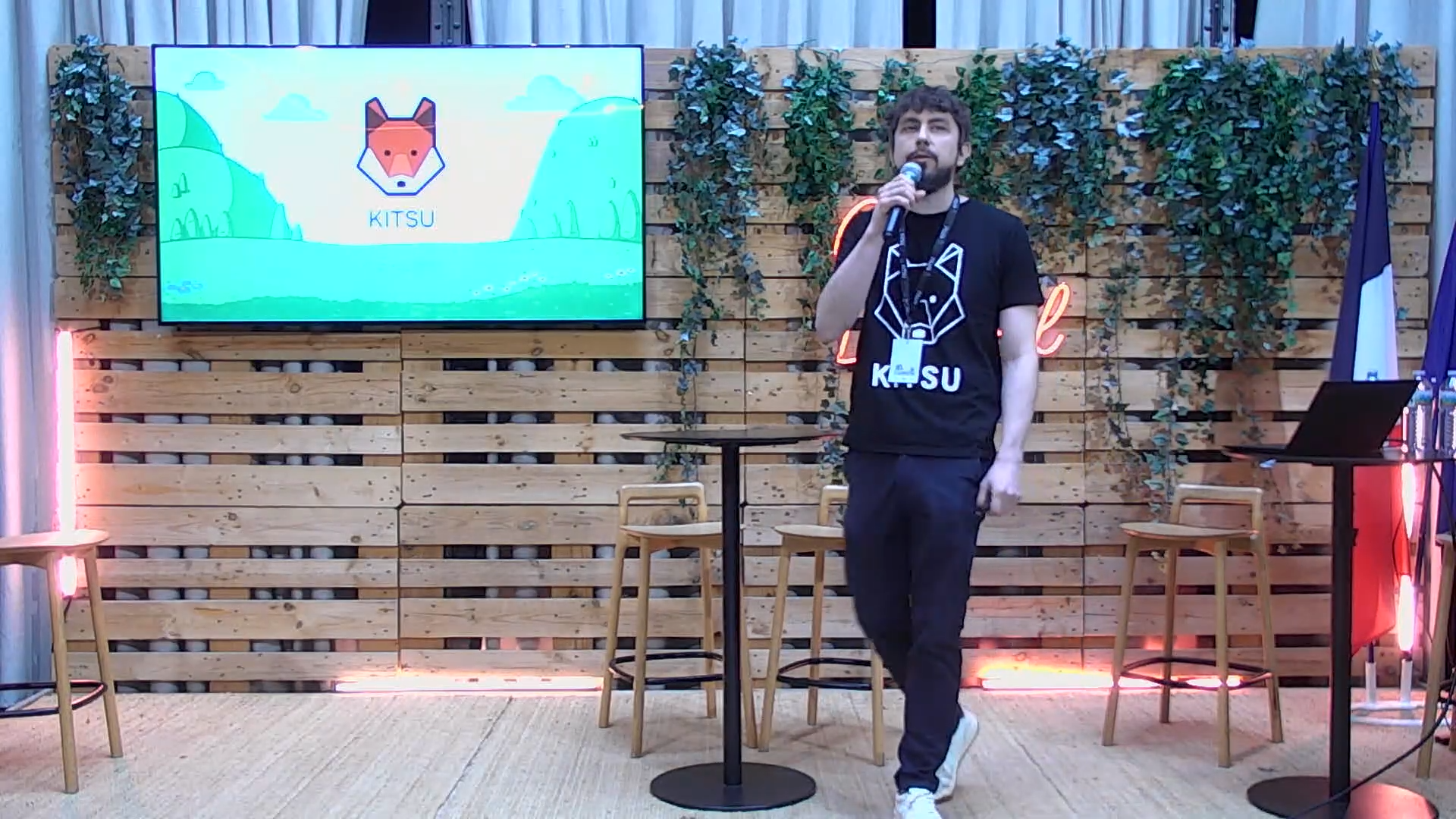
At the first-ever Kitsu Summit held with 60 professionals from seven countries, Kitsu co-founder and CEO Frank Rousseau took the stage to share an honest account of why a production tracking tool became a mission to connect the world through art.
A Problem Worth Solving Twice
The story of Kitsu begins with frustration.
Years before Kitsu existed, Frank was working at HD3D, a French company building collaborative tools for major animation studios. One of those tools was a production tracker. It worked well. But then the company closed, and the tool disappeared with it.
"I thought about what we did at HD3D and it was clear that there was a need for a user-friendly production tracking software," he recalled during his keynote. The idea seemed straightforward at the time: build a clean, approachable tool that studios would actually adopt. "I was thinking it would be maybe a year worth of work. I was naive."
Production management software, it turns out, is only as good as its understanding of the production process. That gap closed when Gwénaëlle Dupré joined the project, bringing 15 years of hands-on animation production experience to complement the founder's deep technical background.
Together, they could build something that reflected how studios actually operate, not just how software engineers imagine they do.
Two early-adopter studios took a chance on that vision from day one: TNZPV and Les Fées Spéciales. Shortly after, Cube Creative, Miyu, and Madlab joined, pushing the software beyond its original focus on 3D TV series and into 2D animation workflows.
Growing With The Industry
By 2021, a new influence entered the picture. The Kitsu team connected with the Blender Foundation, including Ton Roosendaal. The encounter reframed the mission.
"Ton introduced us to the Blender mission, which can be summed up as the freedom to create," the founder explained. "It resonated with us."
Kitsu was no longer just a tool to help studios run more efficiently. It was infrastructure for a new kind of storytelling, one that would let small, independent teams produce feature films and TV series without the overhead that typically limits ambitious projects to large organizations.
Then came the animation industry crisis of 2022 to 2025. Budgets diminished. Projects dried up. VFX studios, hit particularly hard, found themselves unable to justify legacy software that no longer matched their economic reality. Kitsu stepped in. New studios adopted it. And with them came new industries: first VFX, then video games.
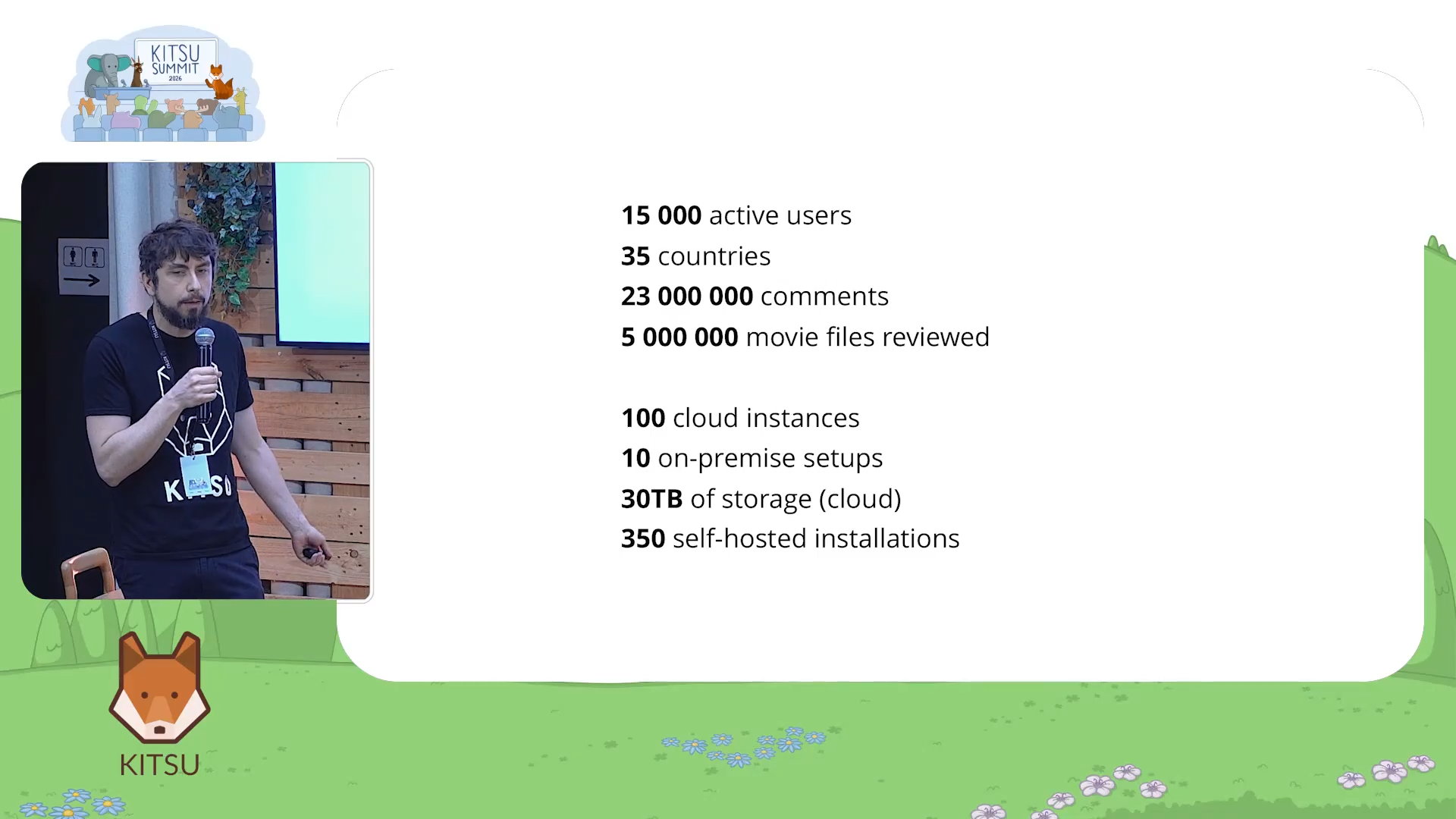
The result, as of the Kitsu Summit in 2026, is a platform used by more than 15,000 professionals every day, across 400 studios in 35 countries, with hundreds of self-hosted installations running independently around the world.
Kitsu's Impact
The Summit was also an opportunity to step back and look at what that reach has produced.
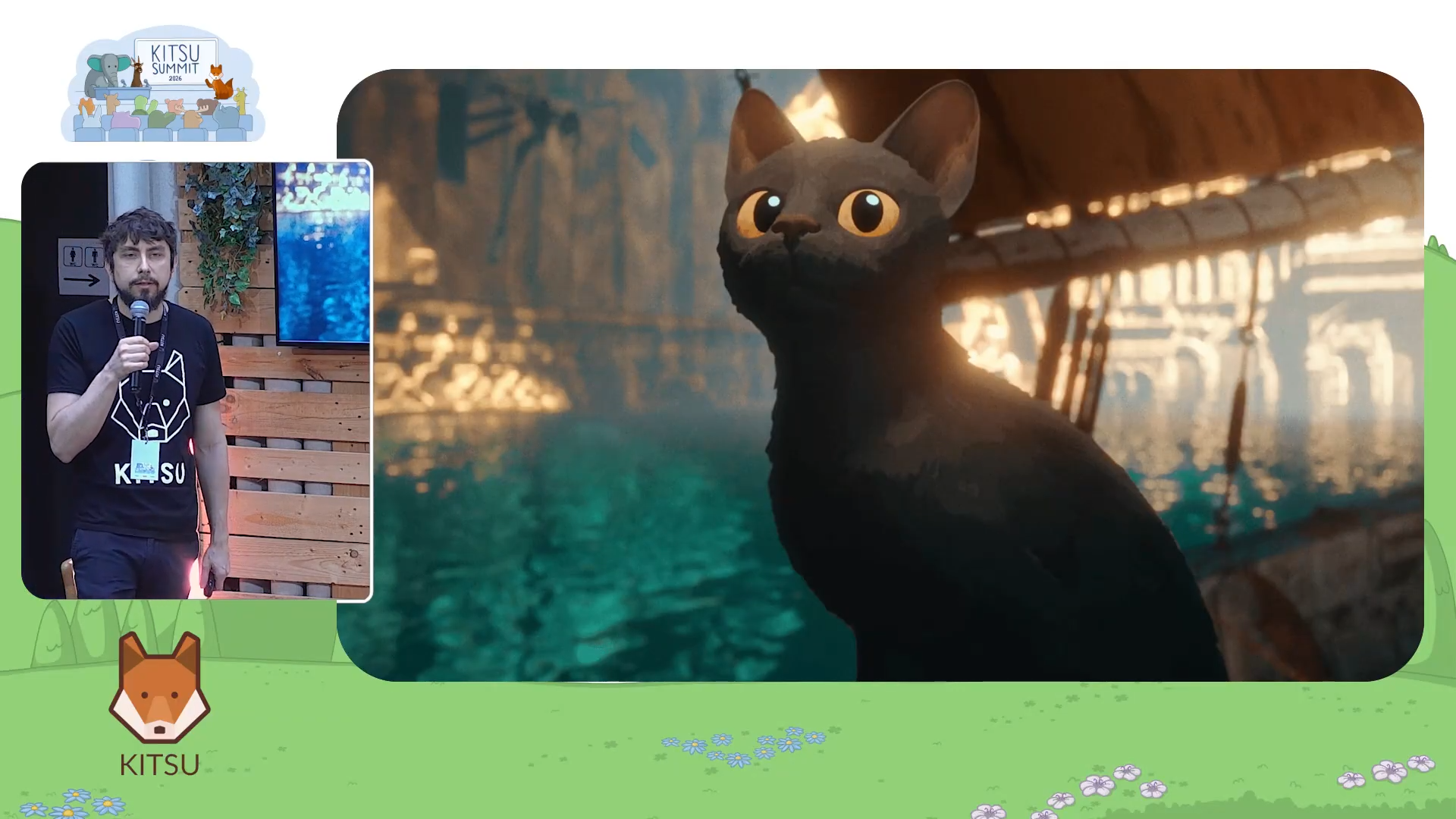
The feature film Flow, made on a small budget, used Kitsu to manage its production and went on to become a major international success. Arco was the first feature film from its studio, Remembers, and the team credits Kitsu with helping them achieve a vision they would not have been able to execute otherwise. The short film 27, produced by Miyu, won the Palme d'Or at Cannes.
Beyond prestigious productions, the platform has also helped TV series, commercial work, and video games including titles like Cuphead and Merge Mansion find their way through production more smoothly.
There is also a less celebrated but meaningful use case: schools. "Students are very good at art and everything artistic, but when they arrive in studios there is a difficult transition to working in teams," the founder noted. When students use Kitsu during their training, the jump into a professional studio environment becomes significantly smoother, for students and studios alike.
Addressing AI directly
No animation keynote in 2026 would be complete without a statement regarding AI, and the Kitsu team chose to address it head-on.
"The problem with AI is complex. We often have a simple vision on it. Whether it's total rejection or total adoption, on both sides, it's too simplified."
The team has observed the emergence of hybrid workflows where studios combine traditional pipelines with AI-assisted steps. In one striking example, a VFX company shared that artists now only join the process at the compositing stage, with the director handling everything before that point.
This is not a theoretical future. It's already happening.
Kitsu's response is a published internal manifesto, still in its first draft, that will govern how AI features are added to the platform.
The principles are clear: AI features should assist, not replace.
The concept the team invokes is the centaur model: a human empowered by a tool, not a human carried along by one. "If you are in an inverse centaur situation, you are kind of owned by the software," Frank explained, pointing to warehouse logistics workers managed entirely by automated systems as a cautionary example. Kitsu explicitly wants the opposite:
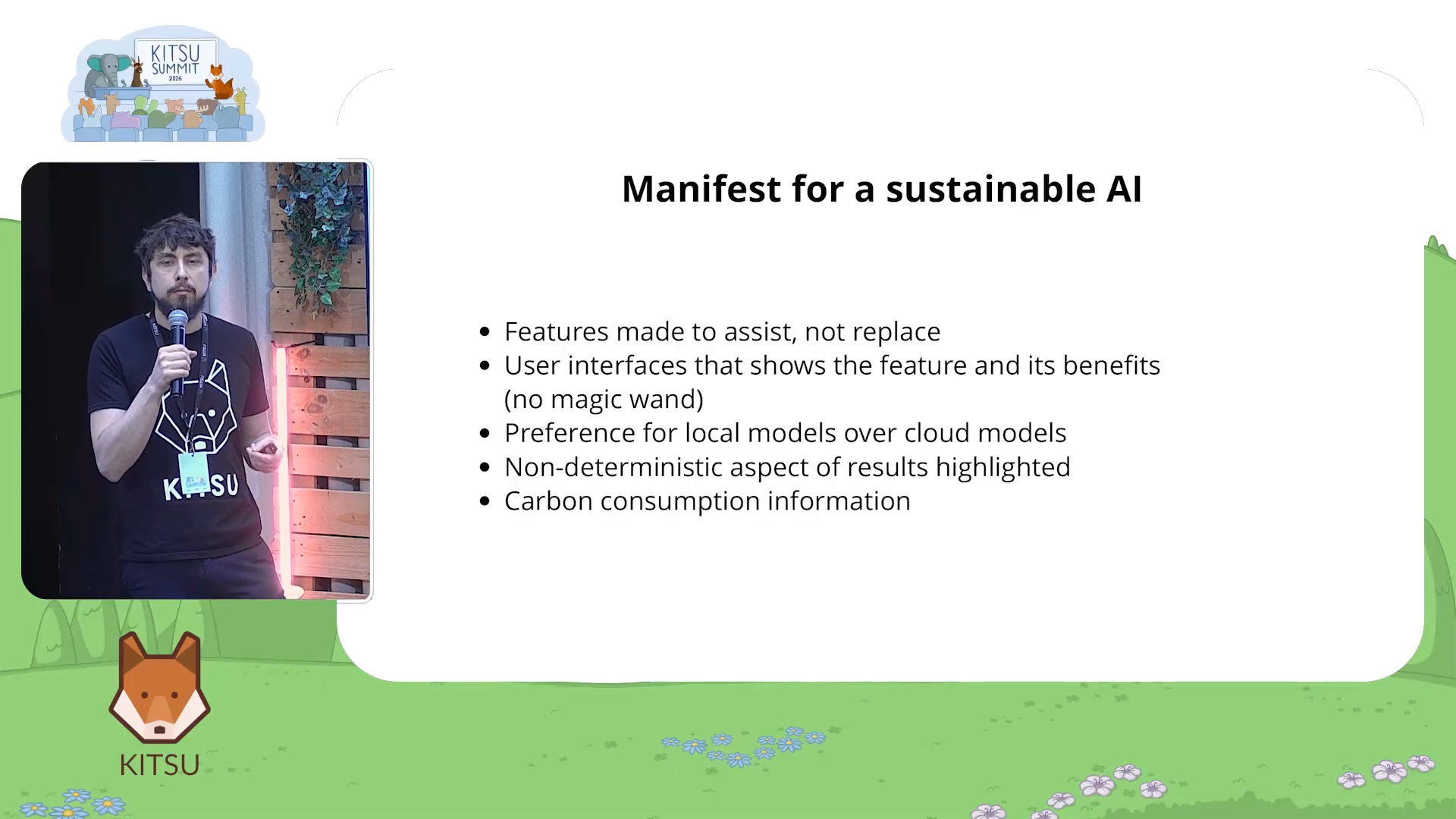
- User interfaces must be transparent. The benefit of any AI feature must be stated plainly. There is no room for vague "AI-powered" labels.
- Local models are preferred over cloud models. Running AI on a studio's own machines reduces both resource consumption and dependency on external services.
- Limitations must be communicated. Kitsu plans to display carbon usage for AI features and will be explicit about the fact that AI can hallucinate and produce inaccurate results.
The planned AI features for Kitsu focus on practical production tasks like automatically generating forecasts from scripts or storyboards, extracting casting information from animatics, rewriting or improving task comments, and adding an MCP (Model Context Protocol) API so studios can manage Kitsu tasks directly from AI chat interfaces.
On the question of image generation built into the platform, the team's position is blunt: "We want to be the last movers on this aspect, or ideally never touch it."
The Mission, Extended
The keynote ended with a vision that extended well beyond a production tracker.
The Kitsu team believes that as humanity faces climate change, geopolitical instability, and resource constraints, the collective intelligence needed to respond will depend on empathy. And empathy, Frank argues, is built through storytelling and art.
"What we observe is that humanity faces its biggest challenges ever. Individual intelligence will not be enough. We need collective intelligence at its maximum. And for that we need to connect to each other. And how we connect to each other is through empathy."
To support that vision, the team is building three interconnected layers:
- The first, already in place, is Kitsu itself as a shared production management platform.
- The second is a file management layer to make asset sharing across teams frictionless.
- The third is a kind of portable professional identity server for artists, allowing them to carry their work history, credits, and information from studio to studio, with payment infrastructure built in.
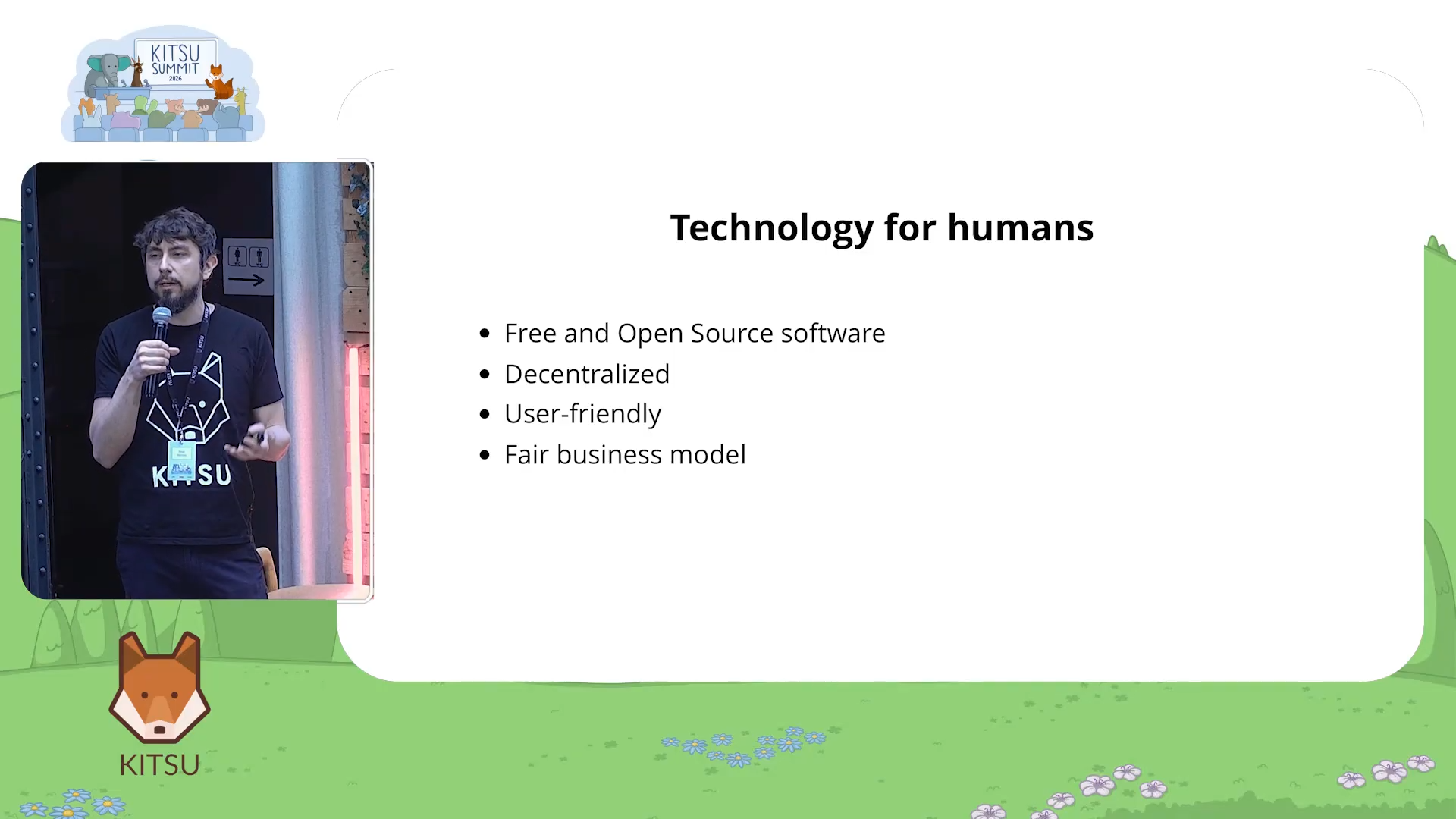
The approach remains deliberately open: free and open source software, decentralized hosting, and a business model designed to remain fair over time.
"Artists are superheroes who will save the world," Frank said as a closing statement. "And we are building their suits."