
Blender Scripting for Camera Animation (2026): A Complete Guide With Code Examples
Learn how to script camera animation in Blender using Python. Create smooth movements, path animations, and tracking shots with reusable code examples.
16 articles
Learn how to script camera animation in Blender using Python. Create smooth movements, path animations, and tracking shots with reusable code examples.

Learn how to build a self-hosted Blender render farm using Flamenco. This guide walks through setup, shared storage, workers, and scaling strategies to help artists render faster using the hardware they already own.

Learn how Blender shaders really work, from node-based materials to procedural shading and Python-driven automation. This guide breaks down shader concepts, node types, and scripting techniques to help artists build flexible, production-ready materials.

Learn how to automate animation and video rendering in Blender using Python. This tutorial covers scene setup, 3D text generation, keyframe animation, and programmatic rendering to build repeatable, script-driven workflows.

Learn how to build a Blender addon that connects to Kitsu to manage asset revisions. This tutorial covers creating, browsing, and loading file versions directly from Blender, keeping production files traceable and in sync with studio workflows.

Learn how to generate low-resolution animation previews in Blender and automatically upload them to Kitsu. This tutorial covers Blender render settings, Python automation, FFmpeg processing, and preview publishing to streamline animation reviews.

Learn how to automate Blender scene creation using Kitsu breakdown data and Python scripting. This guide walks through retrieving breakdowns via Gazu, downloading assets, importing GLB files, and generating a complete Blender scene ready for layout or animation.

Turn your Blender scripts into real tools artists love using—here’s how to build clean, intuitive UI panels for your add-ons.

Learn how to script Blender Geometry Nodes using Python to automate procedural setups, generate node trees programmatically, and build reusable tools for your animation pipeline.
Ready to level up your production workflow? Create your free account and get access to the latest features from CGWire's Kitsu.
Try Kitsu Free
Blender’s Geometry Nodes let you build 3D models procedurally. Learn how they work, why they’re essential for modern animation pipelines, and how to start using them to create smarter, faster, non-destructive workflows.

Discover the difference between Forward Kinematics (FK) and Inverse Kinematics (IK) in Blender. Learn how animators use these systems to bring 3D rigs to life with realistic motion, balance, and control. Includes hands-on rigging examples for beginners.

Learn how to automate Blender with Python! Discover how scripting can speed up production, eliminate repetitive work, and let you build custom tools tailored to your animation pipeline.

Learn how to build a custom Blender integration for Kitsu using Python. This guide walks you through setting up a local environment, generating previews in Blender, and uploading them to Kitsu automatically—streamlining your DCC pipeline for faster, more reliable production.
Blender and Maya are two of the most popular 3D animation tools, but which one is right for you? This guide compares their features, pricing, strengths, and best use cases to help you decide.
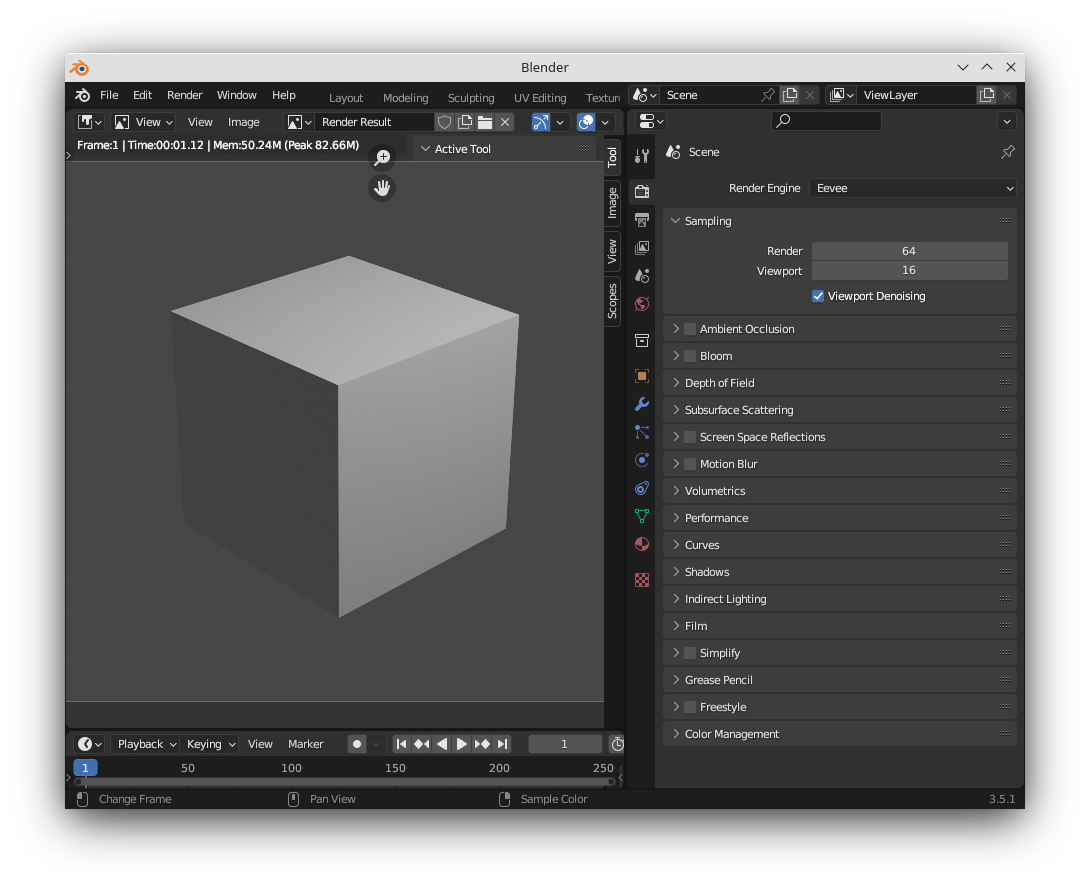
Blender rendering is the process of generating image or video output files from 3D scenes created in Blender. Rendering is a highly resource-intensive task because you need to simulate complex physics like light, materials, and other visual elements to produce a realistic result.
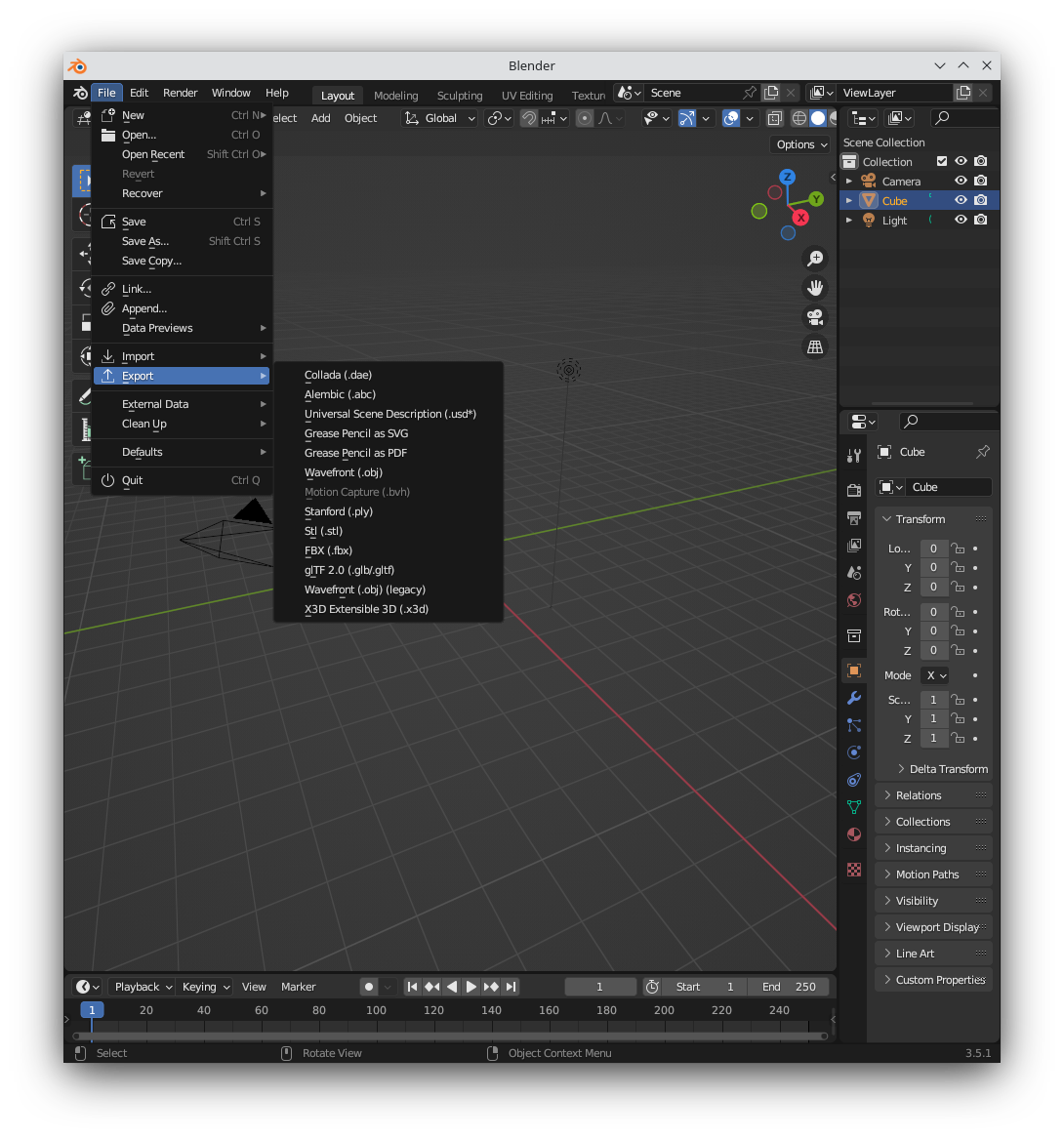
Blender is a popular 3D computer graphics software used in animation. At some point in your project, you’ll need to export your files―to store them, share them with teammates, or use them in other specialized software like uploading to a rendering farm. Fortunately, Blender provides several export options: in this article, we explain each one and when they are best used in your animation pipeline to make the most of it. Lastly, we’ll talk about how to use Kitsu, our open-source production manag