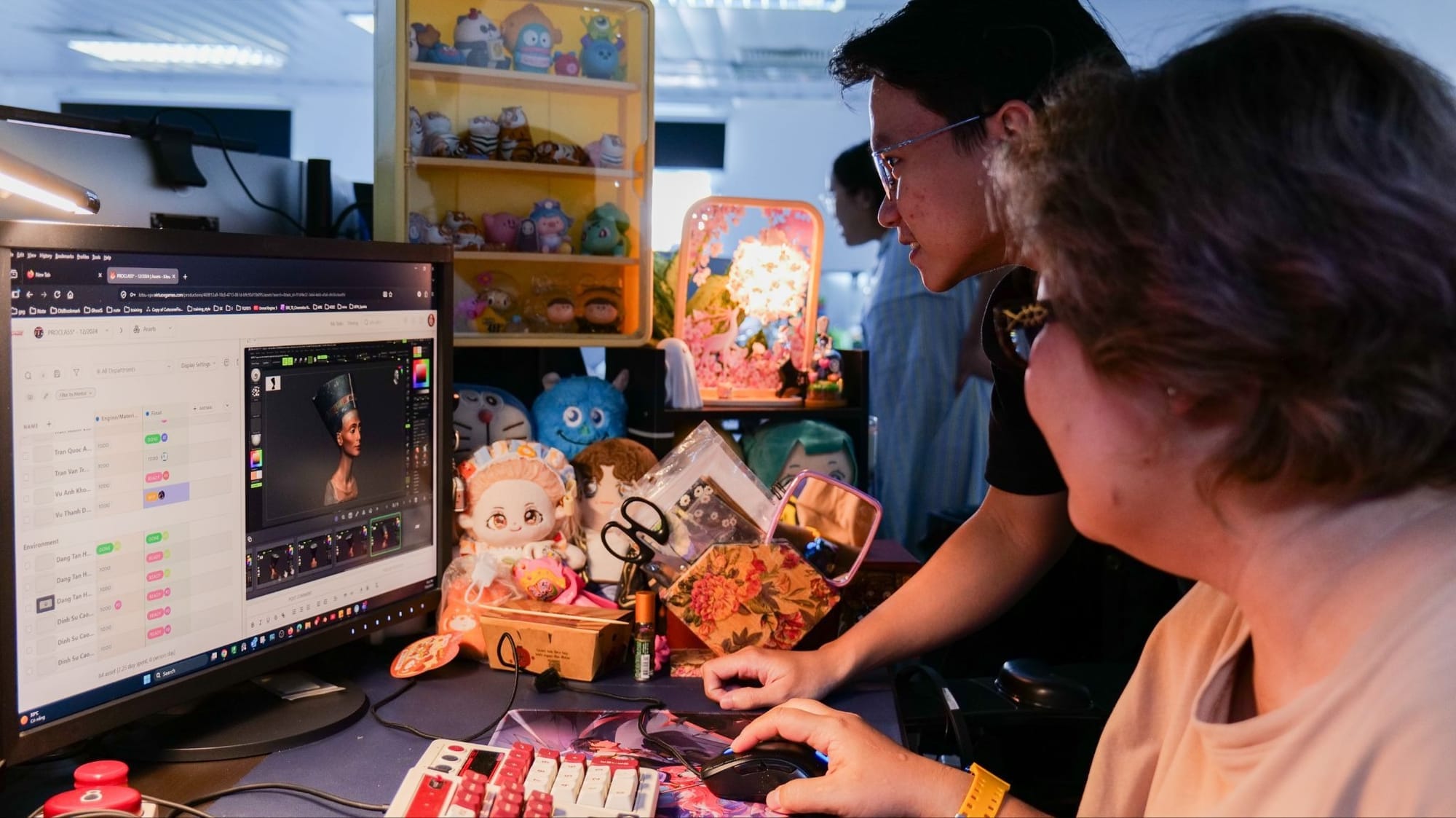

Dailies are an important ritual in animation studios. All animators can relate.
Your day probably looks something like this.
It is late afternoon. You drag a freshly rendered shot into the dailies folder a few minutes before the cutoff. You suspect the walk cycle still feels stiff through the second half. You hope your supervisor points to something you missed.
But the next morning, all you receive is a generic note confirming what you already knew and the shot loses an entire day before you can move forward.
On the other side of that review, there is a supervisor. They open forty shots in a row and try to remember the note history from last week. The supervisor ends up replaying footage just to rebuild context.
We've seen this exact pattern with production teams of every size at CGWire. Task statuses often live entirely in someone's memory. Notes end up scattered across chat threads and spreadsheets. The review session wastes the first ten minutes figuring out where things stand before any actual feedback happens.
Every production depends on dailies to make progress but bad reviews end up slowing studios down: shots get reworked twice for the exact same issue, a supervisor struggles to put shots into context before reviewing, or artists lose a day waiting on feedback that a clearer process could deliver in minutes.
You can easily tell how well a dailies process works by watching the room. The question is, what can you do better?
What Animation Dailies Are Actually For
The real purpose of animation dailies becomes clear when we look at the most successful studios we see at CGWire.
First, they treat dailies as a dedicated working session. A supervisor using Kitsu once told us the room got quieter and notes got sharper once the team stopped scoring shots. A dailies session is part of a feedback loop between the artist and the supervisor. When the team leaves a review with a clear next step, artists come back with a shot showing actual progress.
They also internalized that efficient dailies and fast dailies are two entirely different things. A team can plow through forty shots in twenty minutes and still lose the entire day because half of those shots have to be reopened the next due to unclear the initial notes. We saw studios measure session lengths as its main success metric while their revision counts kept climbing. Total review time dropped once they slowed down on shots needing real discussion.
We worked with another studio tracking note history in Kitsu for a full production, and they found a noticeable share of shots receiving the exact same note three or four times! Each repeat meant an artist redoing work and a supervisor repeating themselves. That repetition burns hours but also creates a review culture feeling like intense scrutiny.
All these problems could be solved if animation studios put a little bit more thoughts into how they approach dailies.
Before the Room Opens
Preparation decides the outcome of a dailies before anyone even joins the call.
The quality of feedback an animator receives reflects the quality of their question. An artist submitting a shot with a generic question invites a supervisor to react to everything at once. That approach produces scattered notes that are hard to prioritize. An artist asking if the weight shift on the contact pose reads clearly gives the supervisor a specific problem to evaluate and produces actionable notes immediately.
Labeling and organizing shots before the session carries the same logic further. An artist flagging a version as a work in progress and noting known issues upfront saves valuable time. The supervisor spends review time on elements actually needing judgment. We see studios waste minutes pointing out a hand clipping through a prop while the artist waits on a rig fix. This kind of exchange belongs in a written version note.
A supervisor screening shots before the session arrives with informed opinions and logical order of review. They can put the shots with the biggest problems or the tightest deadlines first. A session running out of time on shot twelve fails the artists whose work never got seen. Triage prevents that.
Important point: none of this works well without a shared agreement on structure. You create alignment when you publish the shot list and time budget before the session for the whole team to see. An artist knowing their shot has three minutes can prepare a tight ask. A supervisor knowing fifteen shots need to fit into an hour can pace their attention accordingly.
A dailies session missing a priority order becomes a disorganized grab bag. The group reviews whoever speaks up first. The shots needing the most attention end up reviewed last.
Studios sometimes invite extra people to a dailies session just in case their input might be useful. This results in a room with several points of view competing for the same few minutes. An artist walking away often has conflicting notes. A dailies session works best when feedback comes from a single clear authority.
Review and tracking software exists precisely to support this preparation. Kitsu manages shot queues and version history. We also built the playlist builder to let a supervisor pull current submissions through smart filters. They can assemble them into a review order before anyone joins the room.
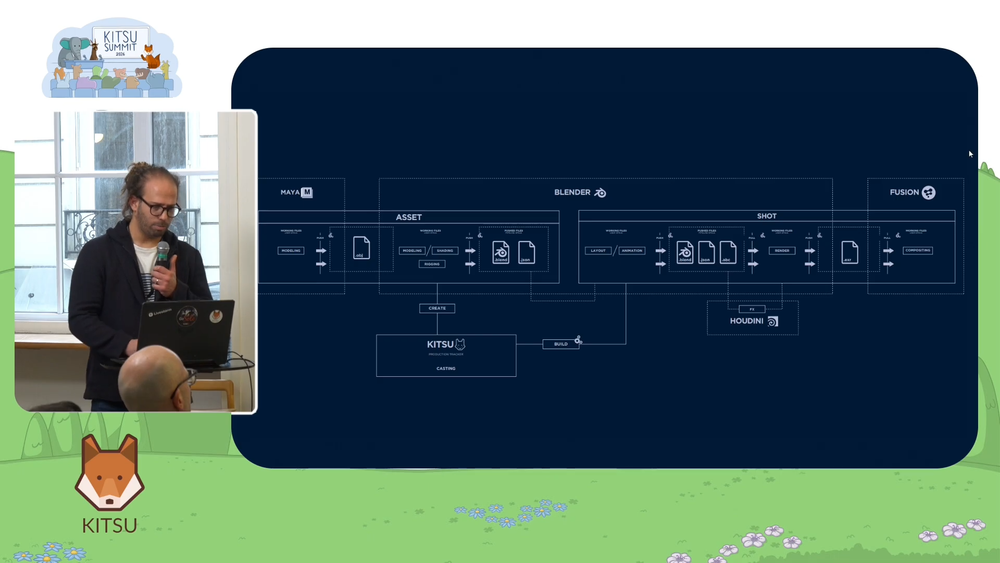
At the Kitsu Summit, Axel Tillement from Cube Creative noted that "Kitsu knows the status of every asset, every shot, and the overall state of production." That visibility allows a studio to publish a shot list confidently.
And don't get me started on remote production where publishing the shot list in advance becomes a requirement for distributed teams. Artists in evening time zones cannot wait on a live call to find out what got reviewed.
During the Session
Now, for the main course.
I want to state this once again: running a tight review room means recognizing that a dailies session lives or dies on its structure. A studio giving every shot an open ended amount of time spends forty minutes on one contested choice.
Secondly, the value of a note depends entirely on its specificity. A supervisor telling an artist to raise the contact position on frame twelve gives the artist an immediate action item. Studios reviewing their note logs find specific notes get resolved in one pass.
One contradictory note can undo a week of clean feedback. An artist hearing different directions from a director and a supervisor is left guessing. The shot often gets reworked twice for absolutely no reason. Studios running dailies well settle on a single voice in the room to reconcile disagreements.
A dailies session works best as an active conversation. An artist restating the note back in their own words confirms understanding immediately. An artist asking a clarifying question operates just like a good supervisor trying to understand the reasoning behind a decision.
Disagreement will surface in almost any good review. You keep the queue moving by pausing the discussion and scheduling a short follow up conversation later. A studio trying to resolve every disagreement in front of the whole group loses both time and patience.
Notes existing only in someone's memory evaporate by the time the artist sits back down. A session needs one person clearly responsible for writing down each note. Tying notes to a timecode and screenshot produces a reliable record. Studios skipping this step find themselves explaining the same note again in the next review.
Different notes usually require different amounts of conversation time, but you can't let nitpicks and structural problems run sessions so long you end up with unresolved core issues: a five minute conversation about a story breaking issue is time well spent, but don't spend the same five minutes debating a minor background spacing preference.
Session length itself is as a critical metric for producers and supervisors. A dailies review running an hour over its slot takes that hour out of actual production time. However, it's important to keep in mind that animation is collaborative work and it's okay to spend more time on a shot to get it right.
Again, your tooling is key. Playback software lets reviewers draw directly on a frame to remove a layer of interpretation. OpenRV or Kitsu support this directly on images and video previews. Reviewers can flip between versions side by side or stack them as an overlay.
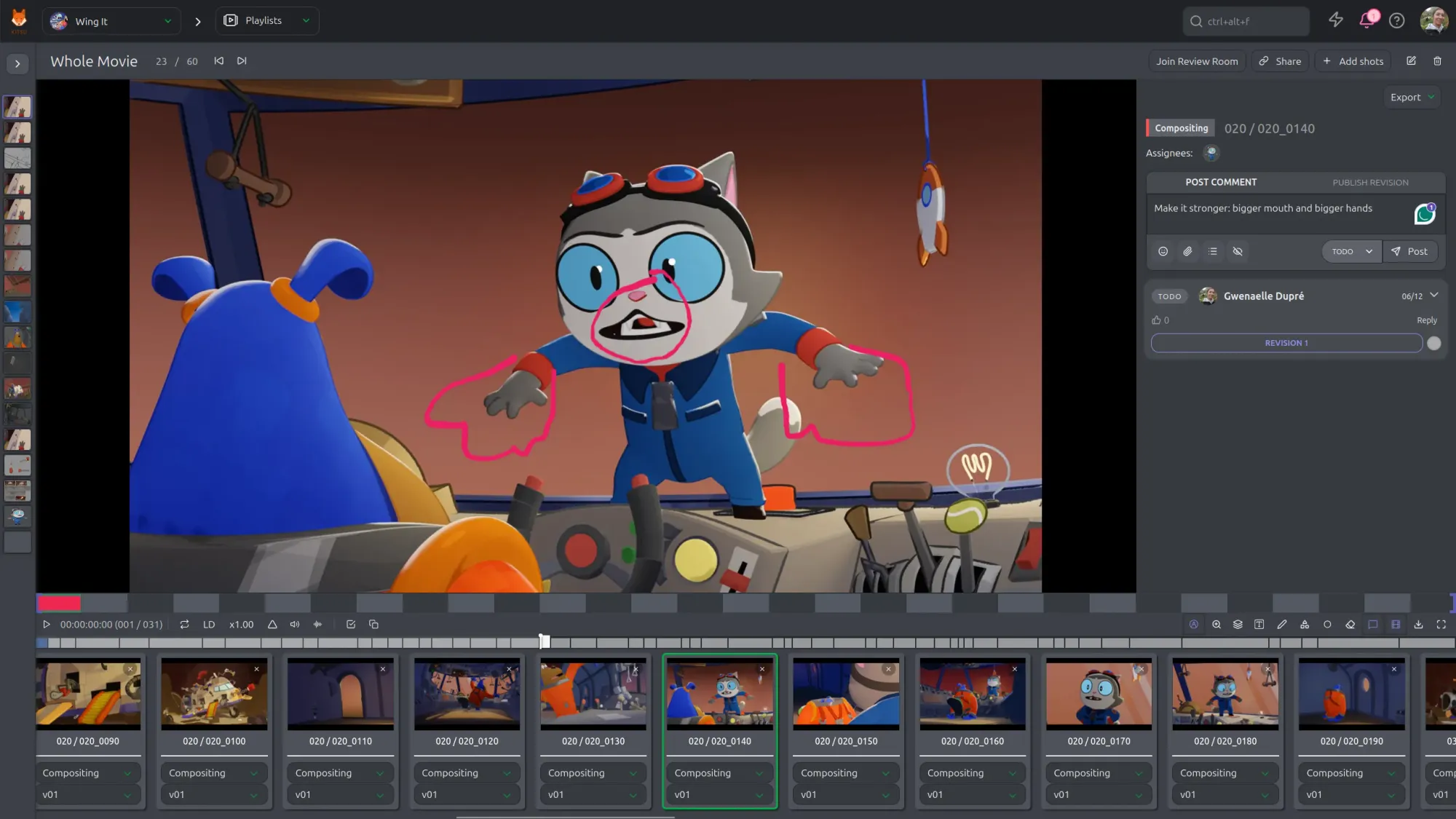
"You can have a meeting with multiple Kitsu users that are all on the same playlist and they can all draw on the same thing. That means you can talk about very specific things at a very specific time."
Chris Unterberg, Founder & Animation Supervisor at Tetsuo Animation
Remote teams add a layer of friction a colocated studio avoids. You can give a distributed team incredible precision by recording the session and pairing that recording with an async productiont racker to let remote artists respond on their own schedule.
Follow-Up After the Session
Closing the loop after the session matters because the review itself is only half the job. The hours following the review determine whether the notes actually change the shot: they might as well easily evaporate and resurface next week in the exact same form.
A studio tracking notes in a centralized system gives every department a shared record.
Relying on a private notebook means the information lives in one person's head. We built Kitsu around this exact problem.
Studios tell us placing a note directly on the reviewed task matters immensely. A note triggers a status change moving a shot from waiting for approval to retake. Anyone on the production can see if a note is resolved without cross referencing another document.
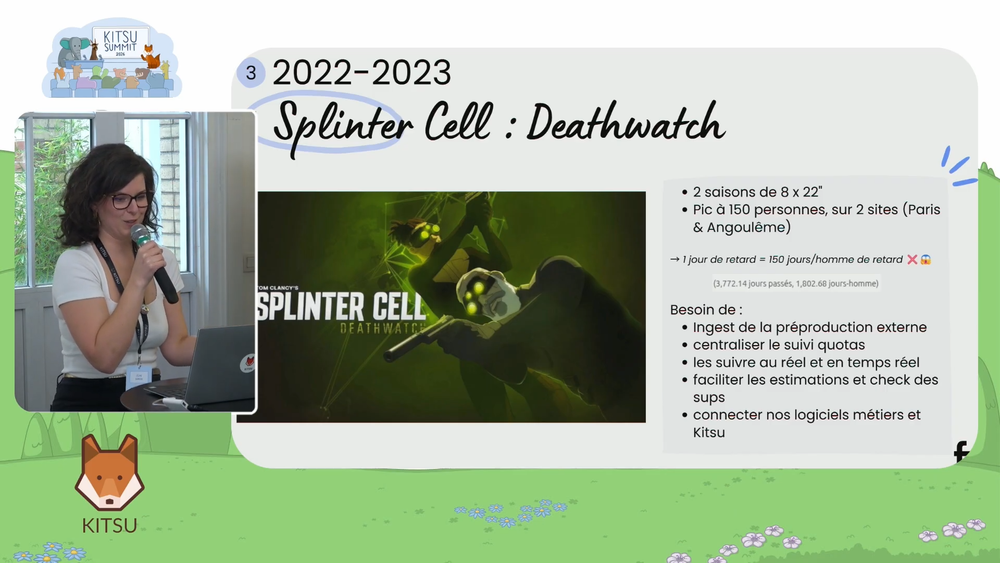
Céline Durieux from FOST Studio called Kitsu "the single source of truth that every department can read from". That truth turns a dailies session into a reliable production record. Compositing, animation, and production management can all rely on it without attending the same meeting.
Closing the loop requires treating a note as unresolved until someone marks it done. Studios skipping this step see the same note repeated across three consecutive dailies because nobody registered the completion status.
An asynchronous confirmation step is also necessary for teammates across time zones, or simply for an artist missing a live session, to give them a chance to flag a misunderstanding before they start working.
Conclusion
Building a lasting review culture means studios succeeding at scale rely on fast feedback and high trust. Notes resolve in a single pass. The crew trusts the review process to help them do better work. That culture builds in the hours before the call and locks in after everyone logs off. A studio getting this right turns dailies into a powerful tool for keeping a production on schedule.
The core philosophy across preparation, delivery, and follow-up remains identical: you should never force your team to rebuild context from memory. An artist flagging issues early saves the room from rediscovering known problems. A supervisor giving frame specific notes saves the artist from guessing. A studio tracking notes centrally saves the next session from repeating closed conversations.
Skipping any of these steps fills the gap with assumptions and repeated notes. Shots end up circling through revision indefinitely.
Fortunately, you can start improving this system immediately: the next daily is the perfect place to begin building better habits!