
Even though modern animation pipelines are largely digital, it's an unfortunate fact that studios rarely decide to hire a pipeline technical director when everything is running smoothly.
The need arises when artists lose hours to broken DCC tools, or when supervisors stop trusting production data, when the team should really be focusing on the creative process instead.
We see this pattern regularly at CGWire: Studios often begin with a spreadsheet and technically inclined artists, shared scripts, and commercial tools covering individual needs. This kind of setup is fine to support a small production. At scale, when more departments, applications, projects, and external partners depend on the same data, it becomes fragile.
A pipeline TD connects production requirements with the technical systems used to deliver the work. They define how assets, shots, versions, reviews, approvals, and deliveries move through the studio, then build and maintain the integrations, publishing tools, validation rules, and automation that support that movement.
The role sits between artists, production teams, supervisors, and IT. Artists understand how tools affect daily work. Producers understand delivery risk. IT understands the infrastructure. A pipeline TD turns those perspectives into highly-efficient workflows.
The main problem is that hiring a developer can feel overwhelming for animation studios when the decision makers don't have the technical know-how: when does dedicated technical ownership create more value than freelancers, existing tools, or scripts written by artists?
Headcount is only part of the answer. The right moment is when recurring workflow problems begin affecting delivery reliability, creative capacity, or the studio's ability to scale.
First, let's go back the basics.
1. What a Pipeline TD Actually Owns
A pipeline TD creates dependable paths for work and data to move through production. Every asset passes through multiple departments, and each handoff introduces opportunities for missing dependencies, naming errors, incorrect versions, unclear ownership. A custom publishing tool would place files in the correct location, record the version, validate dependencies, and notify the next department to remove several manual decisions from a process artists repeat every day.
Creating folders, renaming files, locating textures, packaging scenes, or configuring renders may take only a few minutes at a time. Repeated hundreds of times, those tasks can consume weeks of production capacity. This repetitive, error-prone work offers the clearest opportunity for pipeline development.
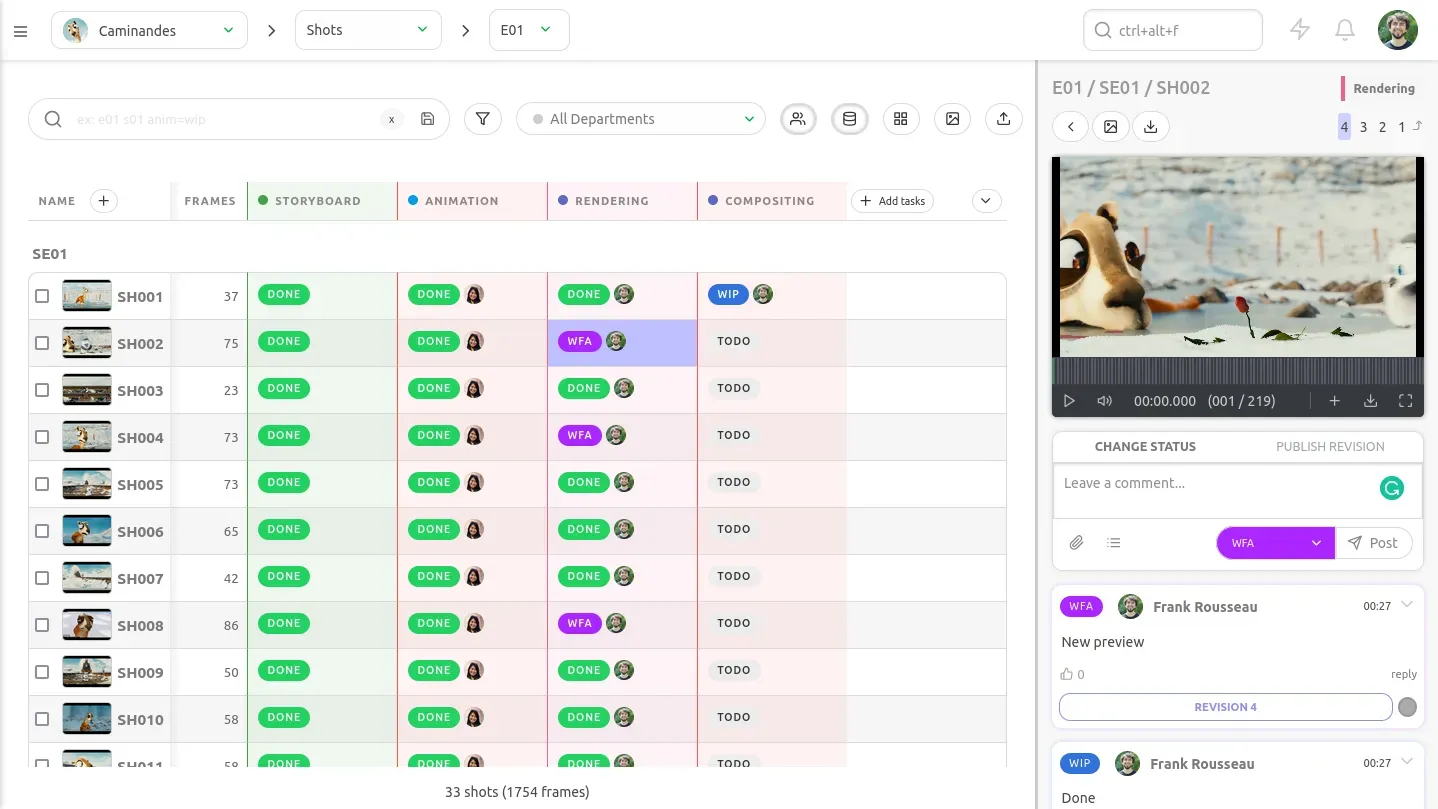
Structured production data becomes especially valuable at these handoffs. A production tracker like Kitsu stores information about assets, shots, tasks, statuses, versions, and reviews in one place. A pipeline TD can connect that information to launchers, publishing systems, DCC applications, render tools, and delivery checks.
Standards are another major part of the role. A studio needs shared expectations for naming, versioning, publishing, validation, and documentation. A pipeline TD turns those expectations into tools and checks artists can follow without disrupting their work.
Be careful however to not dump all software-related problems on your pipeline artist. If artists repeatedly encounter missing textures, the pipeline TD can investigate the root cause and add validation. But if every unrelated software question reaches the same person, long-term work on reliability and automation stops. Technical support needs to be a shared responsibility between production and pipeline teams.
Pipeline engineering is very different from IT, R&D, and CG supervision. IT maintains accounts, devices, networks, storage, security, and infrastructure availability. R&D develops new creative or technical capabilities. CG supervisors define project expectations. The pipeline TD makes those decisions and systems usable in everyday production. Combining every technical responsibility into one role is a problem: IT incidents, artist support, R&D, supervision, and pipeline engineering can each consume a full schedule on their own. When one person owns all of them, urgent requests continually displace the long-term integration and automation work the role exists to deliver.
From experience, the role changes as a studio grows. A small studio needs a generalist who combines workflow design, development, deployment, documentation, and support. A growing studio benefits from a dedicated TD focused on integrations, automation, and reliability. In a large or multi-project studio, the pipeline usually requires a team with its own priorities, releases, maintenance requirements, and roadmap.
Now that we know what a pipeline TD can actually bring to an animation studio, we can think about when it's the right time to invest in one.
2. The Clearest Signs That It Is Time to Hire
First, the most obvious sign a studio needs dedicated pipeline ownership: repeated manual setup. When artists create directories, rename files, locate dependencies, and prepare renders by hand, they perform operational work during time allocated for creative output.
The cost is substantial: if twenty artists each lose two hours a week to setup and file management, the studio loses forty production hours! That's already a full-time position before accounting for mistakes and rework.
The signal gets stronger when senior artists start writing one-off scripts. A supervisor can save the team time with a quick tool, but that script often lacks documentation, testing, deployment, and maintenance. The studio also loses supervision time from one of its most experienced team members.
Fragmented production data is another clear warning. When departments track progress through separate spreadsheets, chat messages, and naming conventions, the team has to reconcile multiple sources before answering a basic question about the latest approved version.
That uncertainty quickly affects downstream work. Lighting starts from an outdated animation cache, compositing reviews the wrong render, and so on...
Kitsu provides artists a shared layer for tracking assets, shots, tasks, statuses, reviews, and approvals. A pipeline TD extends that value by connecting the same information to creative and technical systems. For example, a DCC tool can read task information through Kitsu's API, create the correct version, and update the task after a successful publish.
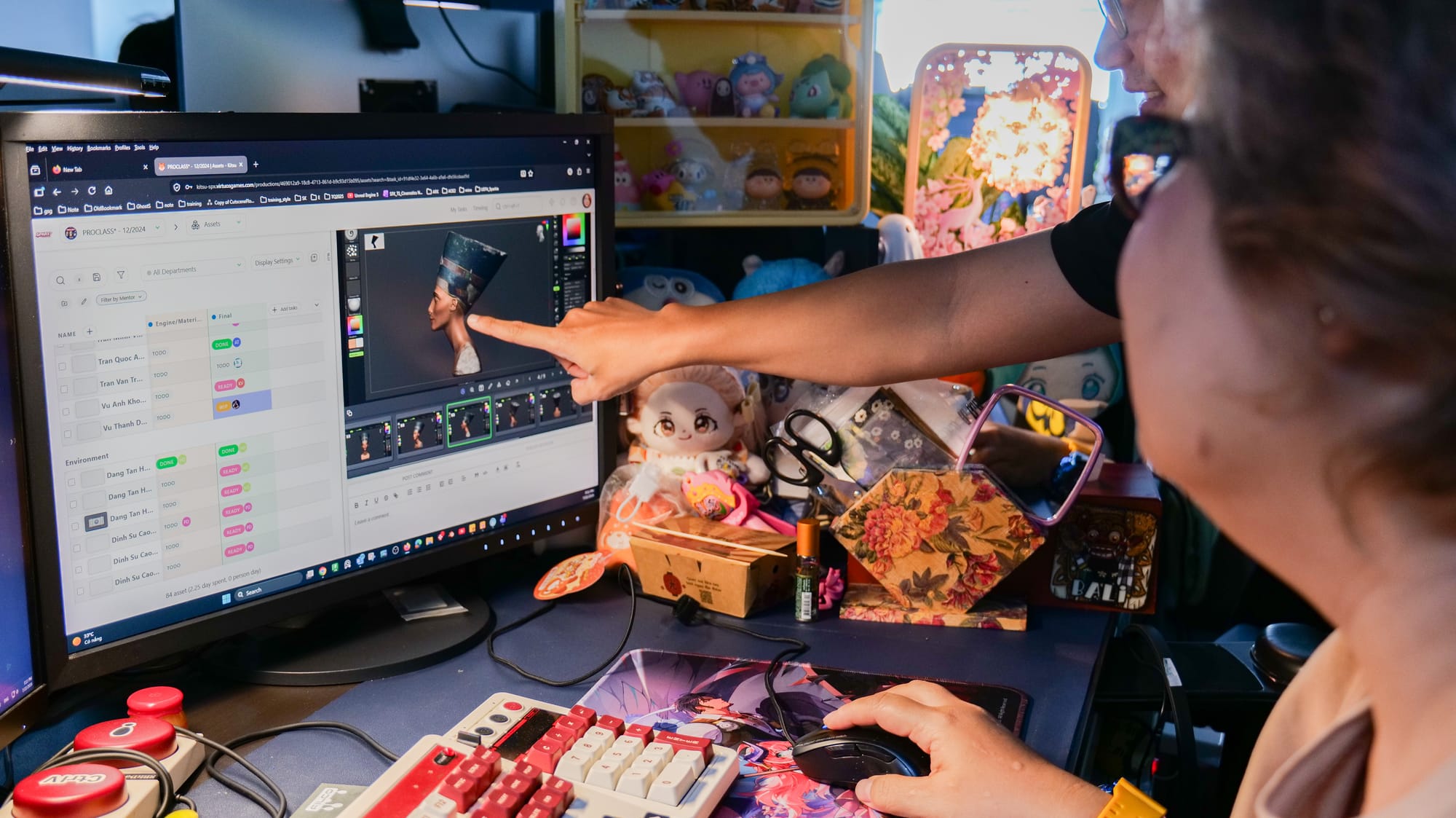
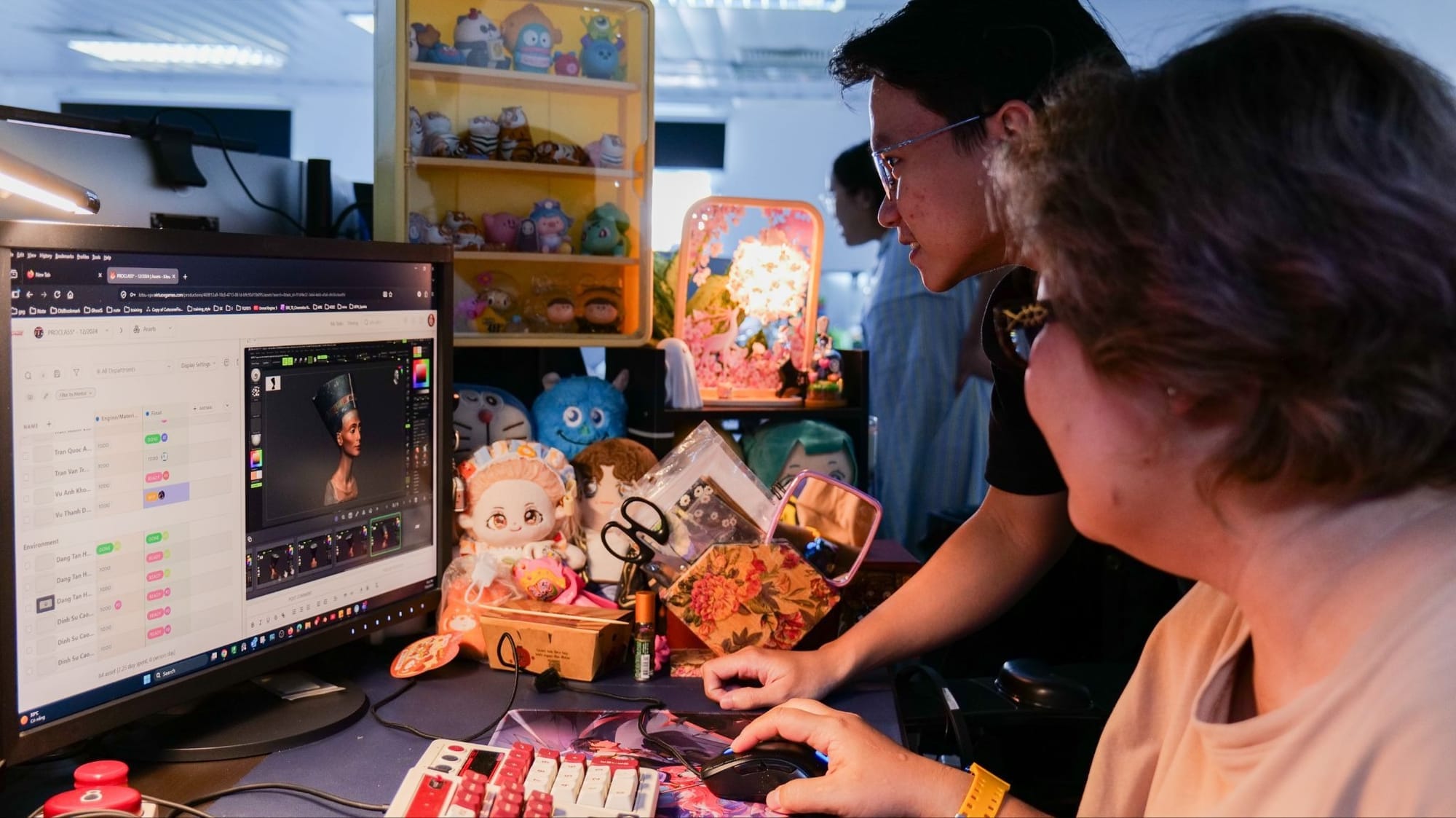
Source: Sparx* - a Virtuos Studio
Missing textures, broken dependencies, incompatible versions, and failed publishes gradually become accepted as normal production events. Recurring technical failures show that manual fixes have reached their limit. A manual repair solves the interruption but leaves the cause in place. A pipeline TD can trace the pattern, add logging, validate scenes earlier, and prevent the same failure from reaching the render farm or the next department.
Studios often underestimate this cost because each incident looks small. But again, the cost quickly compounds.
Complexity creates pipeline pressure faster than headcount alone suggests. Multiple productions may use different naming conventions, renderers, storage locations, and delivery requirements. A workflow that succeeded on one project becomes a source of confusion across three simultaneous productions.
Studios should be cautious here, too: letting every project invent its own conventions can resolve a short-term disagreement, but it weakens shared tooling and makes it harder for staff to move between productions. Legitimate project-specific requirements are different from conventions that diverge simply because nobody took the time to align them.
Distributed teams add another layer. Files move between locations, vendors need controlled access, and approvals happen across time zones. Informal knowledge becomes harder to share when artists cannot sit beside the person who created the workflow.
The same pressure appears when a studio adopts a new DCC application, game engine, renderer, cloud service, or remote workflow. Every new connection needs ownership if it is expected to remain reliable.
If new artists need several days to learn where files live, which scripts are current, how scenes should be opened, and how work reaches review, the workflow is not sufficiently encoded or documented: long onboarding times reveal hidden pipeline knowledge. Launchers, templates, automated setup, clear publishing paths, and practical documentation drastically reduce that ambiguity.
Risky deliveries create another direct business case for hiring because errors discovered close to a deadline lead to overtime, rushed approvals, and avoidable client conversations. Broadcaster specifications and client delivery rules also require checks that are expensive to perform manually. Producers could theoretically add schedule padding around every delivery but it doesn't solve the involved productivity loss. On the other hand, automated validation can identify incorrect formats, missing elements, naming errors, and configuration problems in real-time.
Lastly, concentrated technical knowledge is a continuity risk. If one artist or supervisor is the only person who understands essential scripts and conventions, vacations, illness, or turnover interrupt production.
3. Why Headcount Is the Wrong Metric
A small studio can require a pipeline TD earlier than expected because technical complexity matters more than team size.
Fifteen artists working across several DCC applications and frequent client deliveries experience more pipeline pressure than fifty artists following one stable workflow. The smaller team also has less spare capacity for troubleshooting.
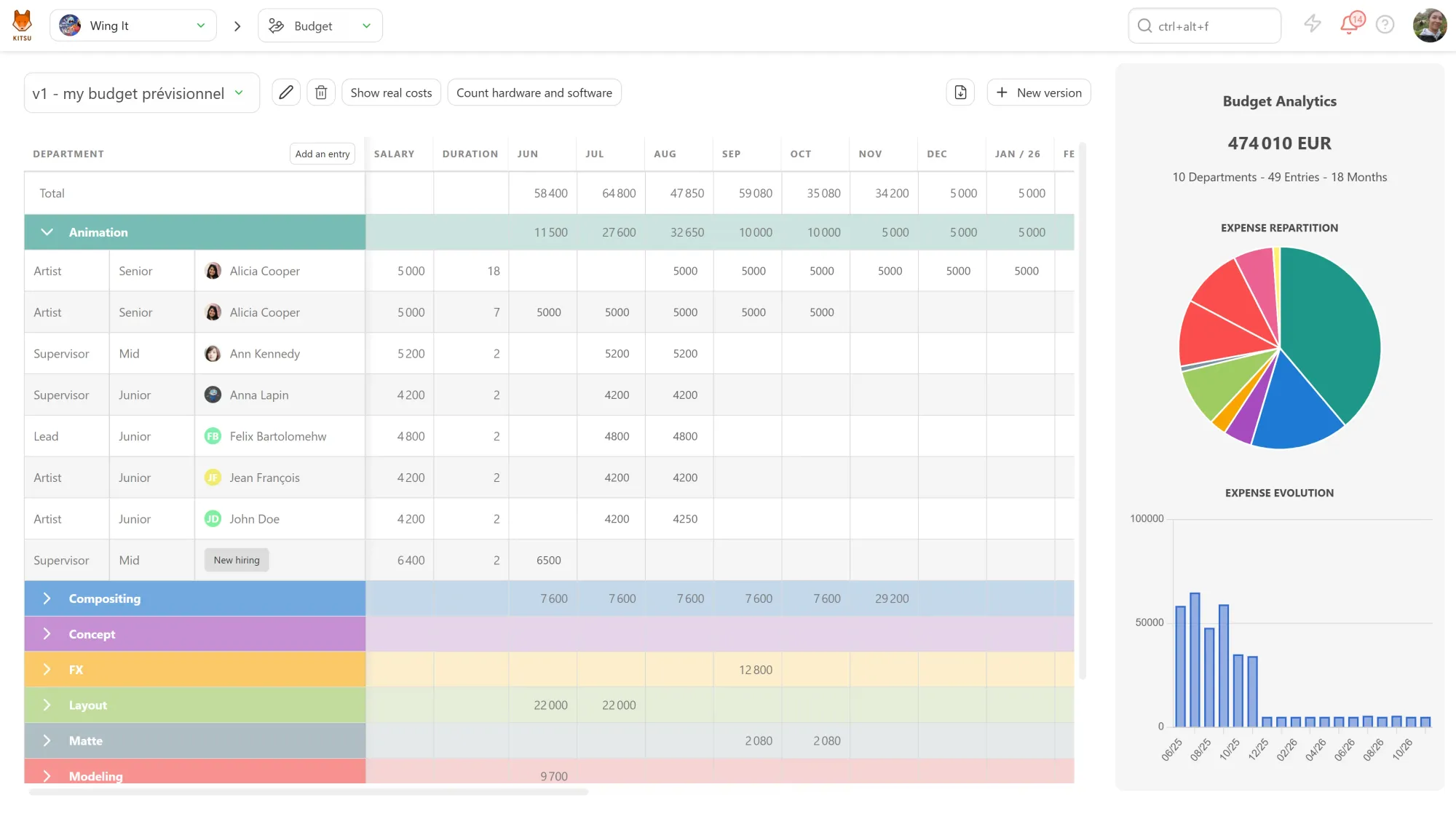
Managing artist cost is key for good budget forecasting. Automation becomes financially valuable when a small number of specialized artists lose expensive hours to setup and technical recovery. Saving even ten percent of their time funds a large part of a pipeline role.
Remote collaboration increases that value because a distributed team cannot resolve uncertainty through a quick conversation.
A larger studio can postpone the hire if its workflow remains simple and standardized. Mature commercial tools and limited scripting by existing supervisors cover immediate requirements. But when you factor in growing maintenance time, the return-on-investment quickly becomes evident.
All things considered, workflow complexity is a more useful hiring metric than headcount: the studio should consider the number of applications, department handoffs, assets, shots, versions, deliveries, concurrent productions, and external partners involved in its work.
4. Hire, Contractor, Tool, or Process Change?
At this point, you know you need a pipeline TD. What remains unclear is whether you prefer offering a full-time position, relying on a contractor, or just acquire better tooling with built-in technical support.
A permanent pipeline TD makes sense when the studio needs ongoing technical ownership. Integrations require updates, automation needs maintenance, and production workflows continue evolving after the first implementation. DCC versions change, APIs evolve, and productions reveal edge cases the original design didn't anticipate: without long-term ownership, today's solution becomes tomorrow's risk.
Similarly, connecting production tracking, DCC applications, rendering, storage, and review systems is rarely a one-off project because requirements evolve from one production to another. A permanent role preserves continuity across changes.
A contractor or consultant is better suited to a clearly scoped objective, like a pipeline audit, storage migration, render farm setup, or specific integration. It can give a studio access to senior expertise before committing funds to a permanent role. A possible limitation appears when nobody inside the studio owns the result.
Sometimes, technical problems are actually unresolved production decisions. If departments do not share naming conventions, approval paths, or ownership rules, automation will encode the disagreement rather than resolve it. Coding a workaround around a disagreement that was never actually settled doesn't remove it. A studio needs to clarify these decisions first, and when teams agree on how work should move, a pipeline TD can turn that agreement into a dependable system.
And then you have the "build vs buy" dilemma: existing platforms often provide a stronger foundation than custom development. Production tracking, review, task management, and version history are common needs across animation studios. Mature software spreads the cost of solving them across many users and productions. Rebuilding these capabilities from scratch is rarely worth it because they each represent years of development and ongoing maintenance, and platforms like Kitsu already provide that foundation.
Félix David, Head of Pipeline at Normaal, explained the advantage clearly:
"You cannot anticipate all the needs you will encounter. Using a tool like Kitsu which has already been tested and developed helps you, because most of the use cases you will have to deal with have already been solved."
That principle shapes our work at CGWire: Kitsu provides support, an open-source production data model, and an API that pipeline TDs can use in launchers, publishing tools, validation systems, and workflow integrations. The studio retains room for custom development without rebuilding standard production tracking capabilities.
Custom work creates the most value when it reflects a genuine studio differentiator. A proprietary asset assembly process or specialized creative workflow may deserve internal development. Common tracking and review requirements usually benefit from proven software.
5. Timing the Hire
Development, pre-production, and the period between major projects constitute the strongest hiring window. The pipeline TD can influence tool selection, data structures, department handoffs, and publishing standards before the studio commits to them.
Representative assets and shots can test the pipeline while the cost of change remains manageable. Early involvement also lets the TD identify technical risks while producers still have room to adjust schedules and staffing.
A hire during production can still create value when recurring failures threaten delivery, but the studio must allow time for discovery, testing, and gradual rollout. Focused changes with limited disruption work best in this situation. For example, a validation tool can prevent common publish failures without disrupting the entire pipeline.
A complete pipeline rebuild during active delivery creates greater risk. Artists have little time to learn new systems, and the team lacks the capacity to test edge cases.
The most difficult hiring moment is immediately before a major deadline. Everyone needs urgent fixes, but nobody has time to explain workflows or test changes safely. Waiting for a crisis to force the decision makes every choice more expensive: there's no time left for auditing, testing, or gradual adoption. The new TD becomes an emergency support resource, and short-term repairs consume the time needed to understand the underlying architecture.
Guilhem Compain, Lead Developer at Wizz, described the value of connecting production data with technical systems:
"Anything you record in Kitsu can be used to configure, validate, and automate work elsewhere in the pipeline."
That connection works best when the data model and production workflow are established early. The pipeline TD can use task types, statuses, asset information, and project settings to configure downstream tools before production volume reaches its peak.
6. Defining the Right Profile
A good understanding of Python and relevant DCC APIs matter, but so do data modeling, databases, REST APIs, version control, file systems, rendering, and deployment: strong pipeline TDs combine software engineering with practical production knowledge.
Testing, logging, documentation, and maintainable design create durable pipeline software that someone else can diagnose and extend later.
Production knowledge helps the TD solve the right problem: asset and shot workflows have different needs, and every department experiences handoffs differently.
A TD familiar with reviews, approvals, publishing, and deliveries understands why a small data error can create a major delay. They can also distinguish an urgent delivery risk from a convenience request.
Coding ability alone is not enough. Pipeline work depends just as much on negotiation, observation, documentation, prioritization, and change management. Interpersonal ability determines whether artists adopt the system. A technically correct tool provides little value if it interrupts normal work or ignores how artists behave. Observation and listening are essential. An artist may describe one problem while their daily workflow reveals another source of friction. A good TD watches the full process before deciding where automation belongs.
The role also requires clear communication with producers and supervisors. Technical tradeoffs affect schedules, budgets, and creative work, so explanations must be grounded in production impact.
Cléa Gonay, Technical Director at MIYU Studio, summarized the adoption problem at the 2026 Kitsu Summit:
"A tool that requires a specialist to run it and gets avoided by everyone else is not, in practice, a working tool."
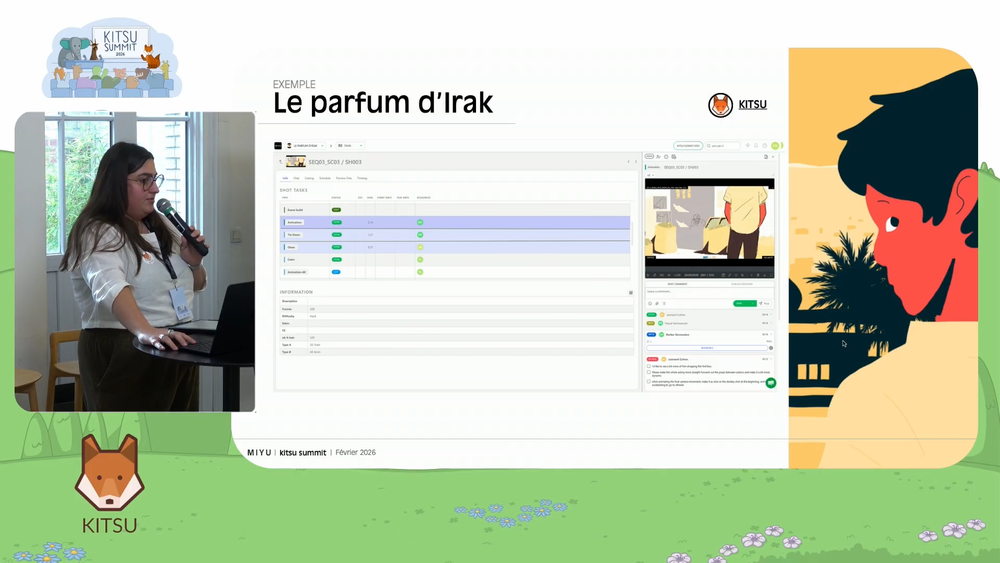
Successful integrations fit naturally into production. Artists understand what the tool does, errors provide useful information, and the workflow avoids unnecessary choices.
This is why seniority should match the uncertainty surrounding the role. A junior or mid-level TD can succeed when technical leadership and a defined roadmap already exist. A senior or lead TD is necessary when the person must audit the studio, establish architecture, prioritize investments, and build trust across departments. Placing a junior developer alone in charge of an undefined, business-critical pipeline creates an unreasonable challenge, regardless of their coding ability.
7. Preparing the Studio and Measuring Success
As previously mentionned, timing the hire is tricky. Fortunately, there are a few things studios can do to smooth the onboarding.
First, a pipeline TD becomes effective faster when the studio can explain its current workflow. Existing tools, scripts, handoffs, recurring errors, and pain points provide the starting evidence for an audit.
The documentation doesn't need to be exhaustive: a diagram showing how an asset moves from modeling to final delivery is enough to reveal unclear ownership and duplicated work.
A prioritized backlog based on frequency, risk, implementation effort, and production impact prevents the role from becoming an unlimited request queue.
The TD also needs to know who defines creative standards, approves workflow changes, and owns each stage of production. Decision-making authority is equally important. Pipeline changes often affect several departments, each with its own preferences. Without a clear path for approving standards and resolving conflicts, the TD can identify problems but will struggle to implement solutions.
Success is best measured through production outcomes rather than a project count. Setup time, failed publishes, support requests, delivery errors, onboarding duration, and review cycle time are all interesting KPIs to reveal whether the pipeline is improving. One dependable publishing system creates more value than twenty disconnected scripts.
Again, adoption matters too. Usage data and artist feedback show whether the new workflow has become part of production.
The first month should focus on discovery and stabilization. The TD observes artists, interviews stakeholders, audits tools, and identifies business-critical risks. A few visible fixes build trust, but the main goal is understanding.
The following month can establish standards and a roadmap around data ownership, naming, publishing, versioning, and validation. Technical projects should be tied to production outcomes, such as reducing failed handoffs or version confusion.
By the third month, one or two focused improvements showcase the intended direction. Documentation, tests, logging, training, and feedback make those changes sustainable. A measurable reduction in setup time, support requests, or failed publishes gives the studio evidence that the role is creating value.
Conclusion
If you're trying to make a business case to your boss to hire your first pipeline TD or additional teammates, here are the key takeaways of this article:
- An animation studio needs a pipeline TD when recurring technical friction becomes a production cost, delivery risk, or barrier to growth.
- Workflow complexity is a stronger decision metric than headcount.
- A permanent hire creates the most value when integration, automation, maintenance, and technical ownership continue across projects. A contractor can support a scoped audit or migration. A process change can resolve unclear responsibilities. An established platform like Kitsu covers common production requirements while enabling custom development.
- The right candidate combines technical skill with production empathy, communication, and maintainable software practices.
- Hiring timing shapes short-term outcomes.
I hope you found this article as useful as I had fun writing it. Pipeline TDs are rare animals, and I'm sure studios could move bigger mountains with more of them.